Turkey's energy sector is undergoing a significant transformation process, influenced by global developments and local dynamics. According to the 'Energy Sector Report' for 2024, in the first half of 2024, the share of domestic resources reached 66 percent, while the share of imported resources decreased to 34 percent. According to the report, when the sectoral breakdown of electricity consumption is examined monthly, it was observed that industry was the consumer group with the largest share in electricity consumption.
According to the 'Energy Sector Report' for 2024, prepared in collaboration with KPMG and APLUS Energy, in the first half of 2024, the share of domestic resources in total production reached 66 percent, while the share of imported resources decreased to 34 percent.
As of the end of June 2024, Turkey's installed capacity was recorded as 110,539 MW. While 57.3 percent of Turkey's installed capacity consisted of renewable energy sources, natural gas accounted for 22.4 percent, domestic coal 10.4 percent, imported coal 9.4 percent, and other thermal 0.5 percent.
The share of plants belonging to Elektrik Üretim Anonim Şirketi (EÜAŞ), the owner and operator of state-owned electricity generation plants, in installed capacity decreased from 48.9 percent in 2010 to 19.5 percent as of the end of the first half of 2024. Free generation companies increased their share in installed capacity from 43.5 percent to 64.6 percent between 2010 and 2023. The share of unlicensed plants in installed capacity rose to 12.9 percent.

Throughout the first half of 2024, electricity imports were carried out with Turkey's three neighboring countries: Bulgaria, Georgia, and Greece, while electricity exports were conducted with these three neighboring countries and Syria. According to the report, when the sectoral breakdown of electricity consumption is examined monthly, it was observed that industry was the consumer group with the largest share in electricity consumption. Industry's share in total consumption during the first six months of 2024 was 41 percent. In the first six months of 2024, household consumption's share in total consumption was 28 percent, agricultural activities' share in electricity consumption was 3 percent, lighting's share was 2 percent, and commercial establishments' share was 26 percent.

Africa is the region with the most limited access to electricity
According to the report, globally in 2000, 72.7 percent of the population had access to electricity, while by 2022, 90.5 percent of the world's population gained access to electricity. Africa stood out as the region with the most limited access to electricity. While in 2000, access to electricity was possible for 36.1 percent of the continent's population, this rate rose to 57.7 percent in 2022. The greatest increase in access to electricity over the last 10 years occurred in the “Developing Asia” regions. In these regions, 761.6 million people lacked access to electricity in 2010, but despite the growing population, this figure is projected to decrease to 106.9 million with 2023 data.
In Turkey, while access to electricity was possible for 99.9 percent of its population in 2000, the entire population has had access to electricity since 2010. In Turkey, the annual compound growth rate of electricity demand between 2000 and 2023 was recorded as 4.2 percent. In the first half of 2023, electricity consumption was lower compared to the previous year, while in the second half of the year, there was an increase compared to the previous year. In every month of the second half of 2023, electricity demand increased compared to the previous year. Higher economic growth and unusually high temperatures compared to the same period of the previous year played a role in this increase in demand.
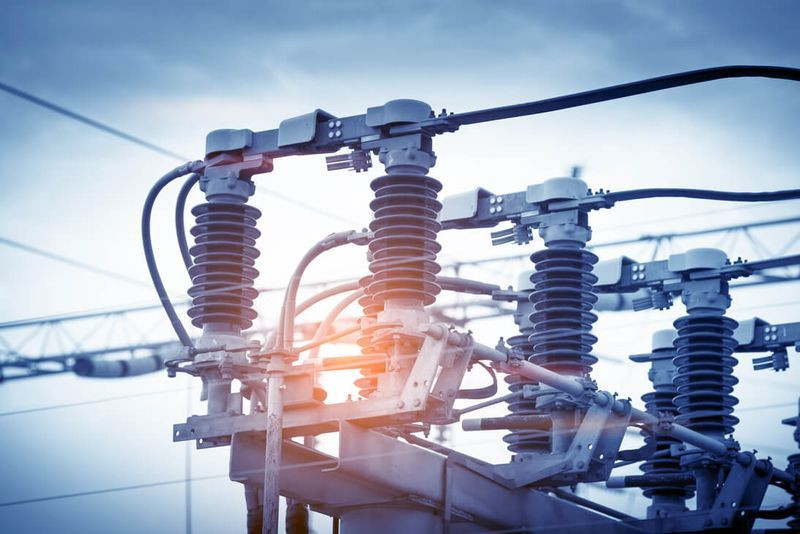
High temperatures increased electricity demand
In the first half of 2024, electricity consumption in Turkey increased by an average of 5.9 percent compared to the first half of the previous year. While the Ramadan Feast in 2023 coincided with a weekend in April, a bridge holiday was implemented during the Ramadan Feast in April 2024. For this reason, the increase in electricity demand was partial, and for now, it was the month with the lowest increase in 2024. Among the most significant reasons for the large 14 percent increase in June 2024 compared to the same period of the previous year were unusually high temperatures and the accompanying cooling demand.
Industry consumes the most electricity
According to the report, when the sectoral breakdown of electricity consumption is examined monthly, it was observed that industry was the consumer group with the largest share in electricity consumption. Industry's share in total consumption during the first six months of 2024 was 41 percent. In the first six months of 2024, household consumption's share in total consumption was 28 percent, agricultural activities' share in electricity consumption was 3 percent, lighting's share was 2 percent, and commercial establishments' share was 26 percent.
Most electricity is imported from Georgia
Throughout the first half of 2024, electricity imports were carried out with Turkey's three neighboring countries: Bulgaria, Georgia, and Greece, while electricity exports were conducted with these three neighboring countries and Syria. During the first six months of 2024, the country from which the most electricity was imported was Georgia, with 1,018 GWh, this amount accounting for 68 percent of total electricity imports. The second country from which the most electricity was imported was Bulgaria, with 331 GWh (22 percent). Similarly, in the previous year, 77 percent of electricity imports were from Georgia. Bulgaria had been the second country from which the most imports were made, with a 21 percent share.
Syria is the second country in exports
During the first six months of 2024, the country to which the most electricity was exported was Bulgaria, with 405 GWh, this amount accounting for 38 percent of total exports. The second country to which the most electricity was exported was Syria, with 336 GWh (31 percent). In 2023, the highest export was to Greece, with a 54 percent share. In 2023, the second country to which the most exports were made was again Syria, with a 26 percent share.
“Turkey's energy sector is undergoing a significant transformation"
Hakan Demirelli, KPMG Turkey Energy Sector Leader, who evaluated the report, stated that the energy market is of key importance for Turkey's economy, as it is for all national economies. Demirelli stated that Turkey's energy sector is undergoing a significant transformation process, influenced by global developments and local dynamics, adding, “This sector, where energy resources are traded, plays a vital role in the development of our industry, our households, and our national economy. This report, prepared in partnership with APLUS Energy and KPMG, sheds light on the general structure, operation, and recent developments in the energy market. While outlining the energy transformation in Turkey, we offer valuable insights into the future of the sector."
State's share in electricity generation is decreasing
As of the end of June 2024, Turkey's installed capacity was recorded as 110,539 MW. While 57.3 percent of Turkey's installed capacity consisted of renewable energy sources, natural gas accounted for 22.4 percent, domestic coal 10.4 percent, imported coal 9.4 percent, and other thermal 0.5 percent. The share of plants belonging to Elektrik Üretim Anonim Şirketi (EÜAŞ), the owner and operator of state-owned electricity generation plants, in installed capacity decreased from 48.9 percent in 2010 to 19.5 percent as of the end of the first half of 2024. Free generation companies increased their share in installed capacity from 43.5 percent to 64.6 percent between 2010 and 2023. The share of unlicensed plants in installed capacity rose to 12.9 percent.
While production in the first six months of 2023 was 153,579 GWh, it reached 163,959 GWh in the first six months of 2024, an increase of 6.8 percent. On the other hand, one of Turkey's main energy policy goals increased the use of domestic resources for electricity generation to reduce the foreign trade deficit. In the first six months of 2024, the share of domestic resources in total production reached 66 percent, while the share of imported resources decreased to 34 percent.
This content has been translated using artificial intelligence technology.